
Suicide Prevention
For immediate help, dial 911.
At Washington State, we’re concerned about the mental health and well-being of
our campus community, including our students, staff, and faculty.
To seek help for yourself, or if you’re worried about someone who is
experiencing distress and may be at risk of suicide, please call the
National Suicide Prevention Lifeline at 988.
This service is available 24/7.
If you are hearing impaired, contact the Suicide Prevention Lifeline via TTY by
dialing 1.800.799.4889.

Recognize Warning Signs
- Talking about wanting to die
- Looking for a way to kill oneself
- Talking about feeling hopeless or having no purpose
- Talking about feeling trapped or in unbearable pain
- Talking about being a burden to others
- Increasing the use of alcohol or drugs
- Acting anxious, agitated, or recklessly
- Sleeping too little or too much
- Withdrawing or feeling isolated
- Showing rage or talking about seeking revenge
- Displaying extreme mood swings
Take Action
If you are concerned that someone is suicidal, please take action.
- Do not leave the person alone
- Remove any firearms, alcohol, drugs, or sharp objects that could be used in a suicide attempt
- Call the National Suicide Prevention Lifeline at 1.800.273.TALK (8255)
- Take the person to an emergency room, or seek help from a medical or mental health professional
Understand Protective Factors
Protective Factors buffer individuals from suicidal thoughts and behavior. Identifying and understanding protective factors are equally as important as knowing warning signs. Some protective factors include:
- Effective clinical care for mental, physical, and substance abuse disorders
- Easy access to a variety of clinical interventions and support for help seeking
- Family and community support (connectedness)
- Support from ongoing medical and mental health care relationships
- Skills in problem solving, conflict resolution, and nonviolent ways of handling disputes
- Cultural and religious beliefs that discourage suicide and support instincts for self-preservation
Get Involved
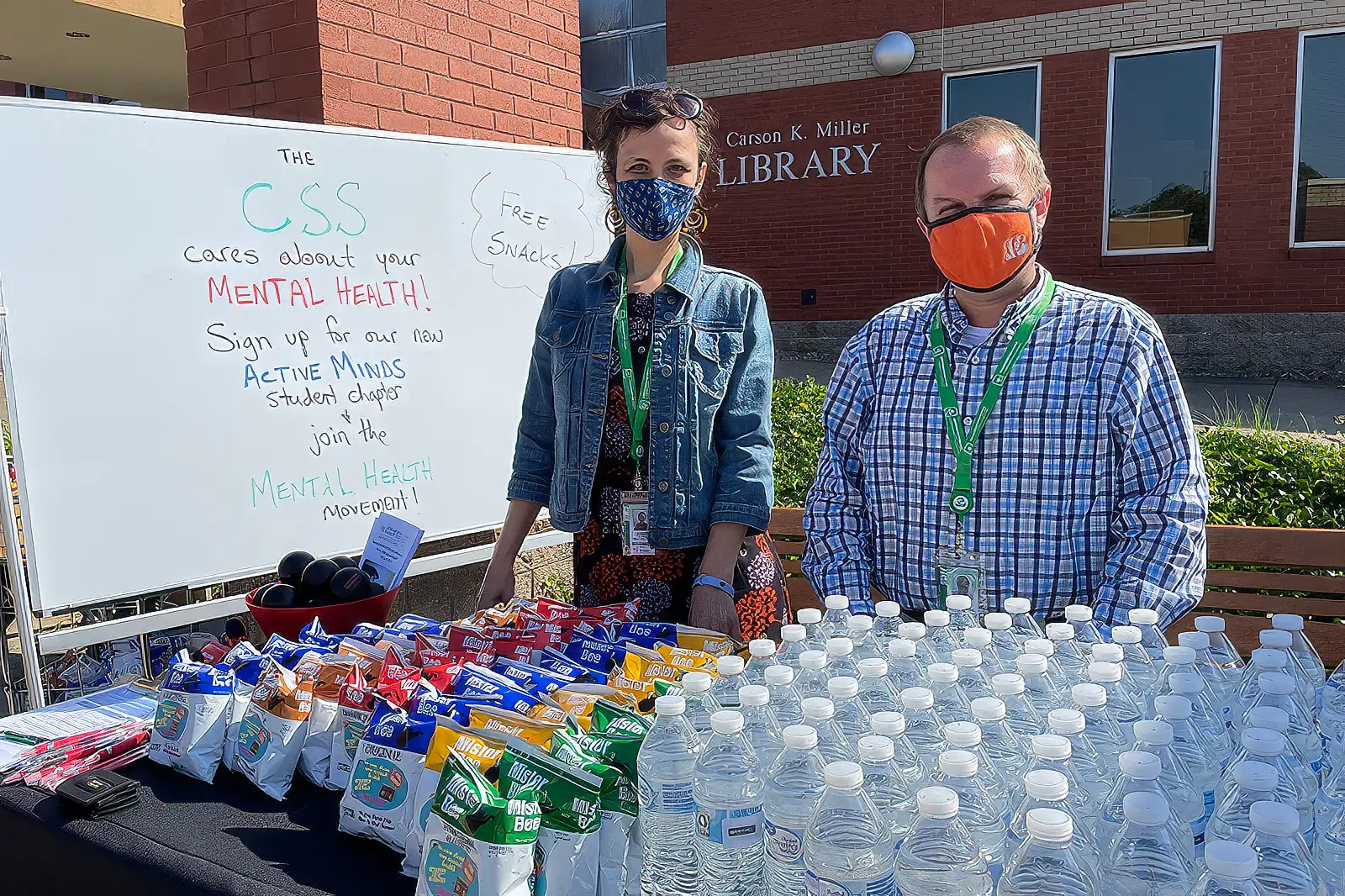
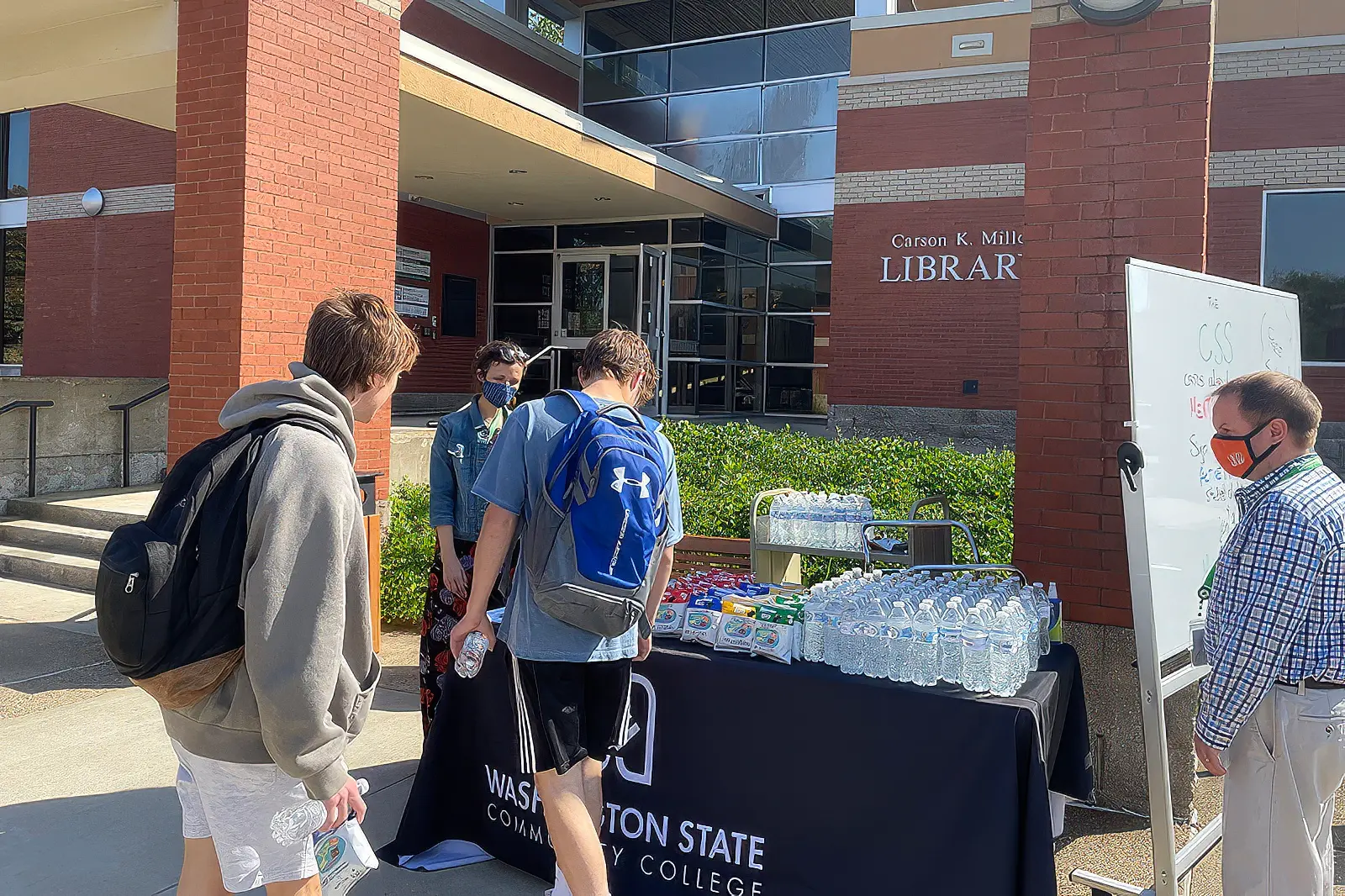
Washington State College of Ohio works hard to get the entire campus involved in suicide prevention awareness.
Check out these Activities Below:
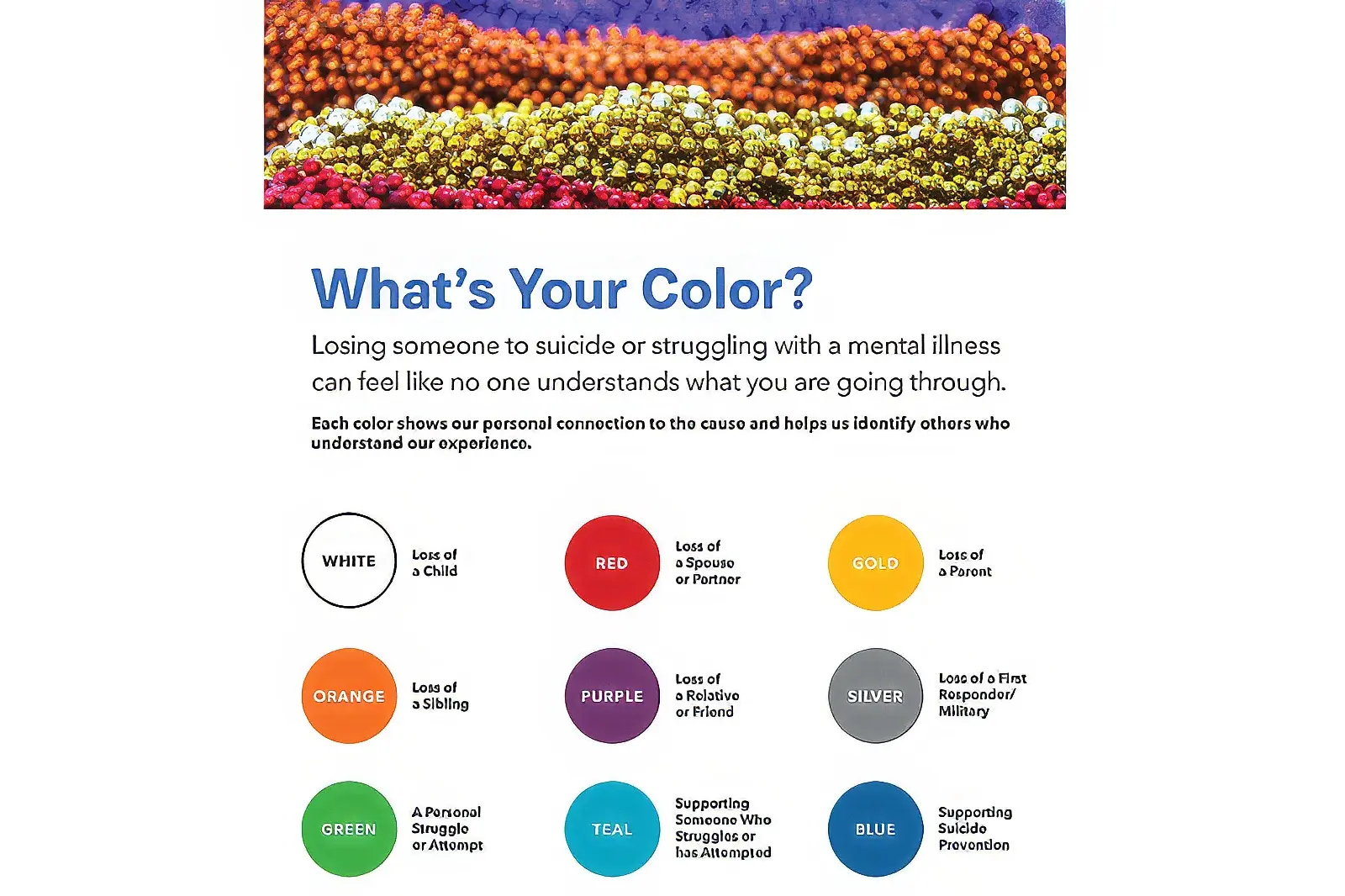
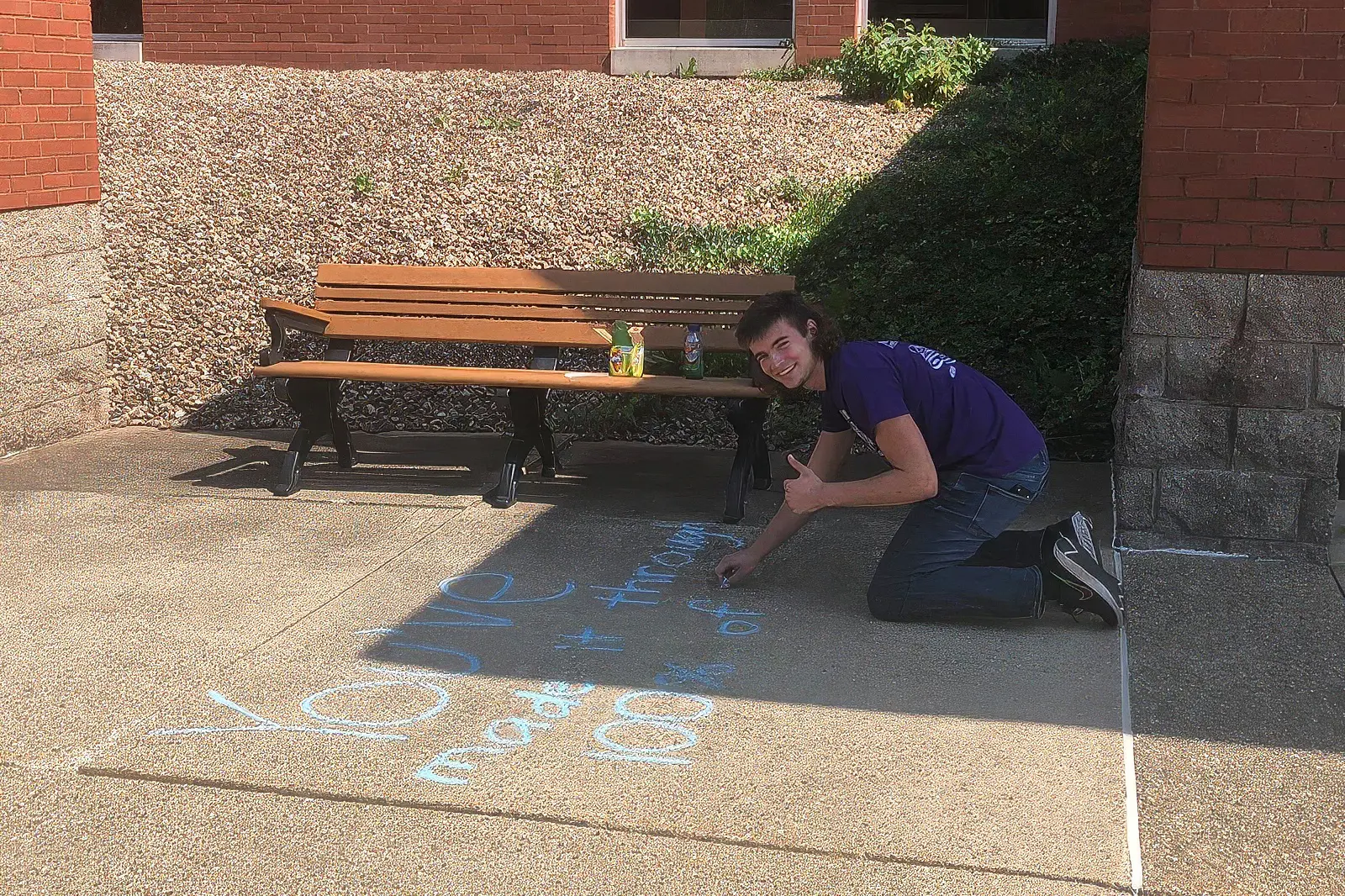
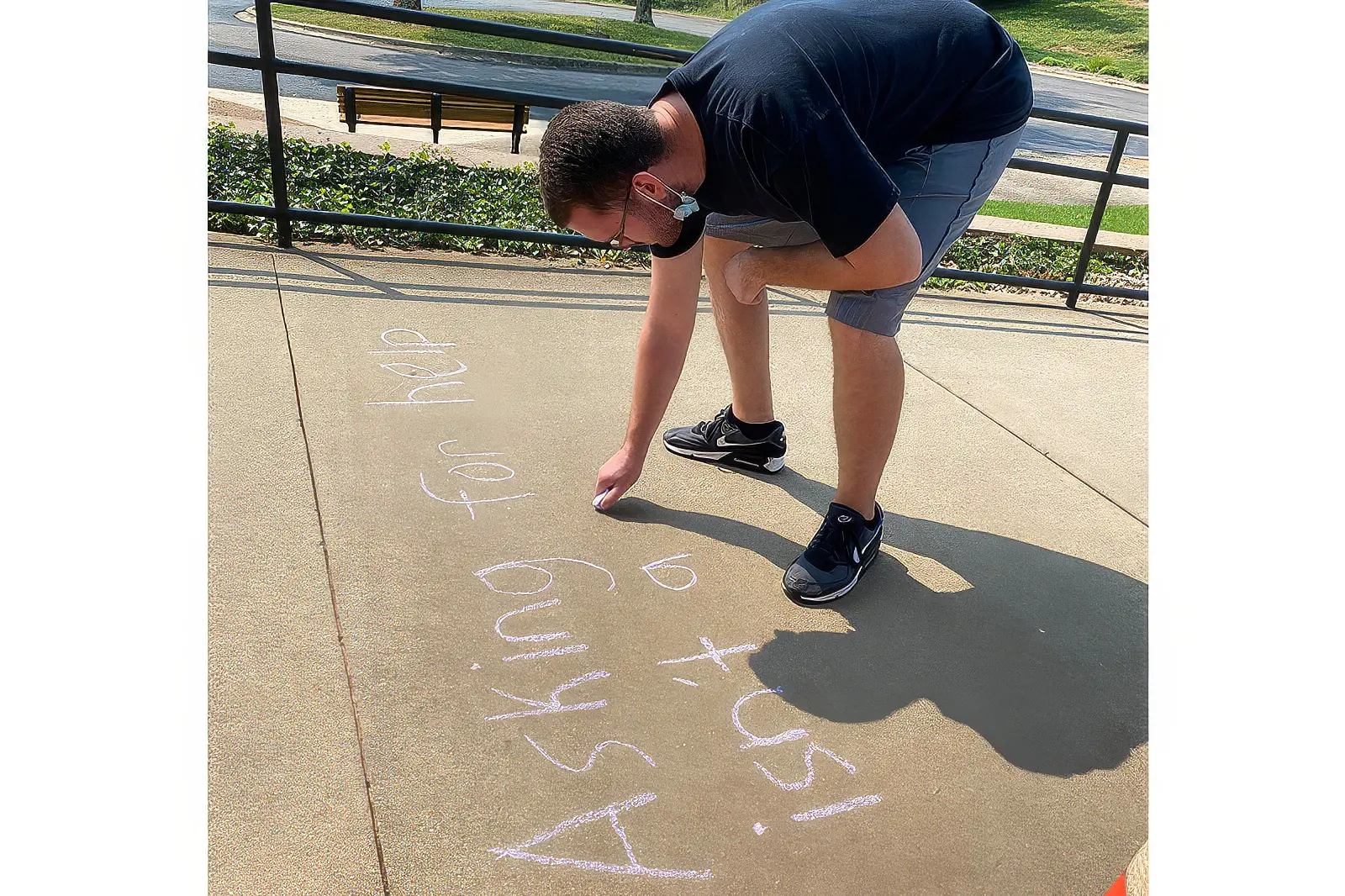
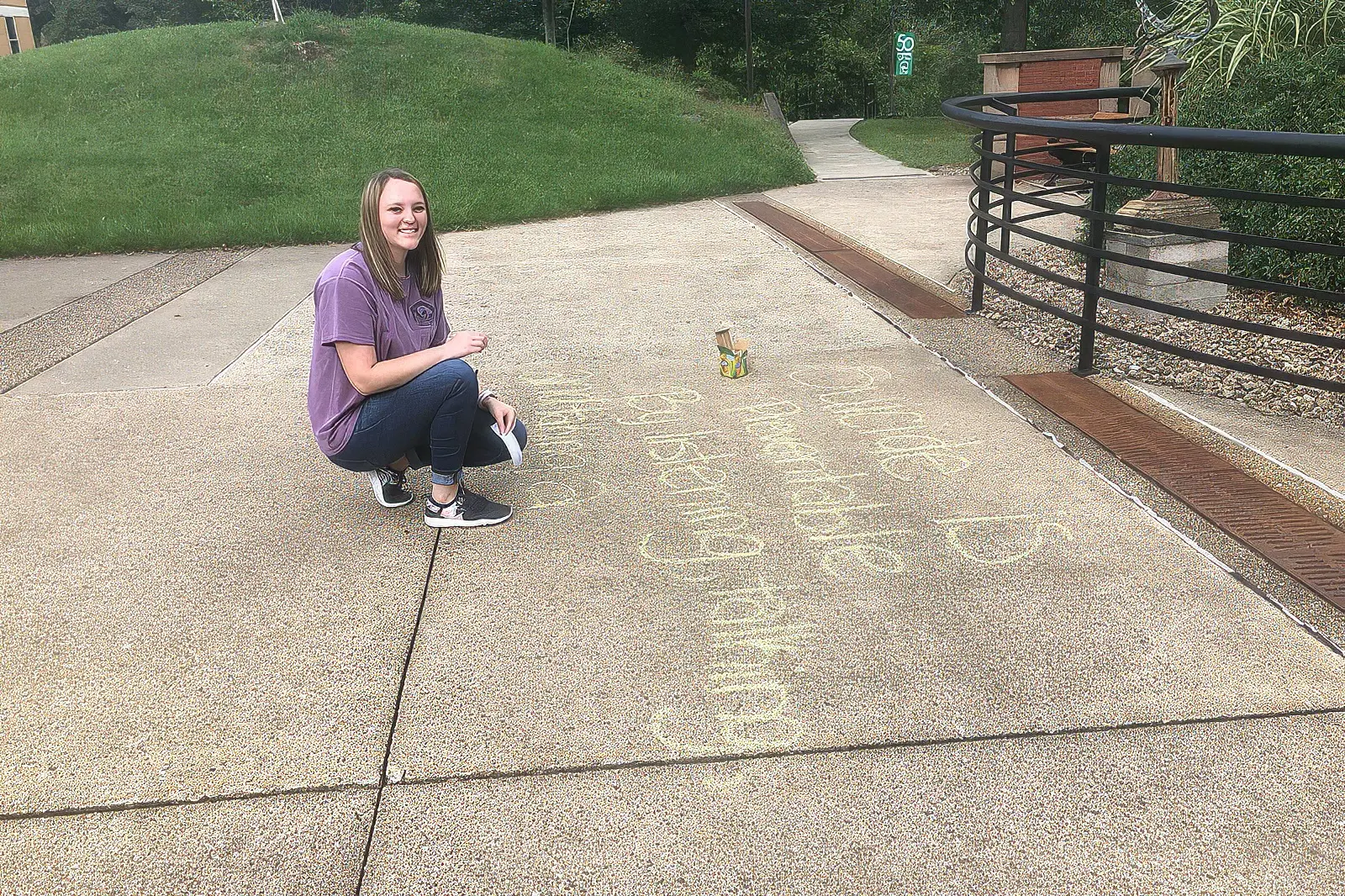
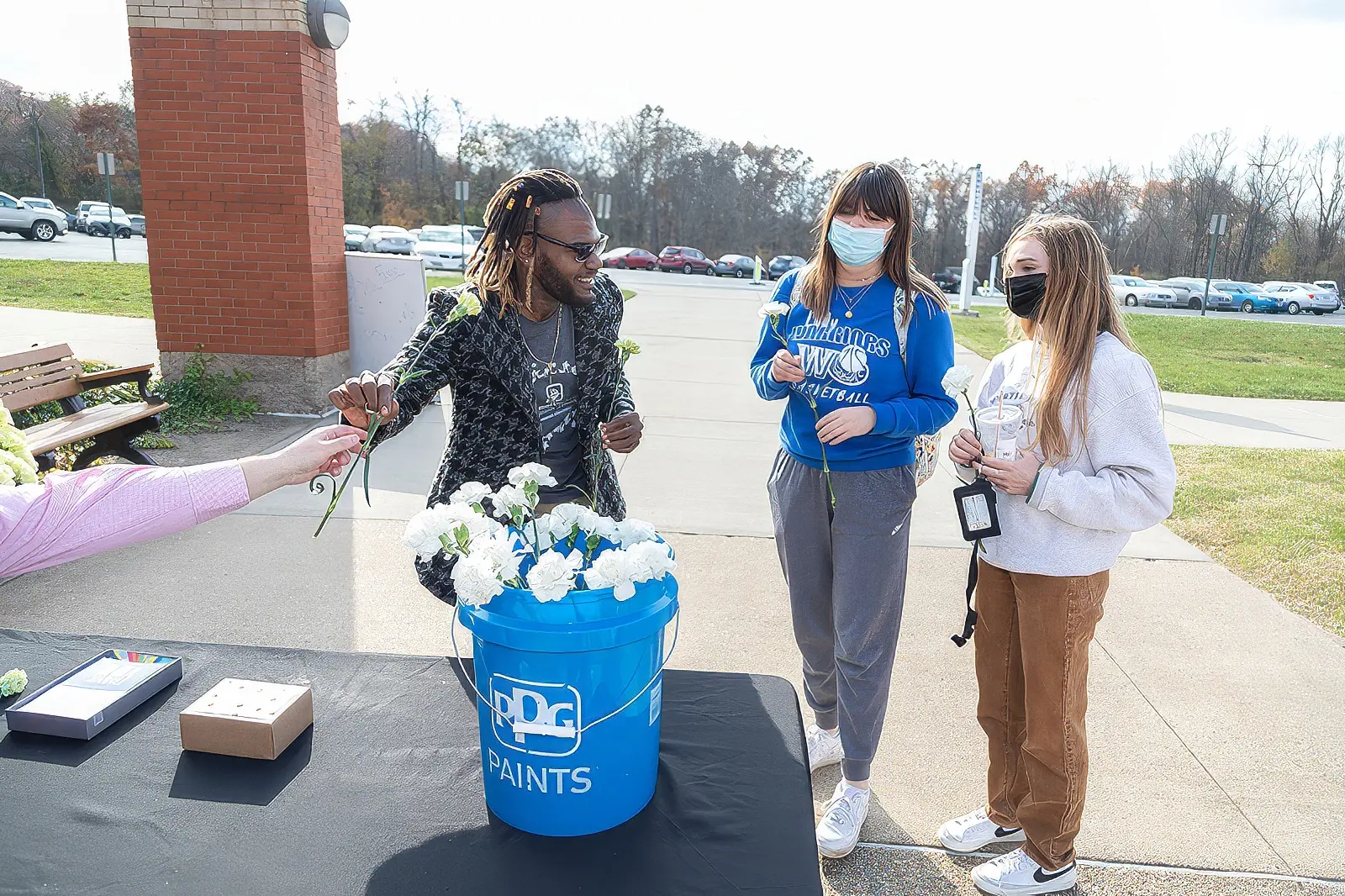
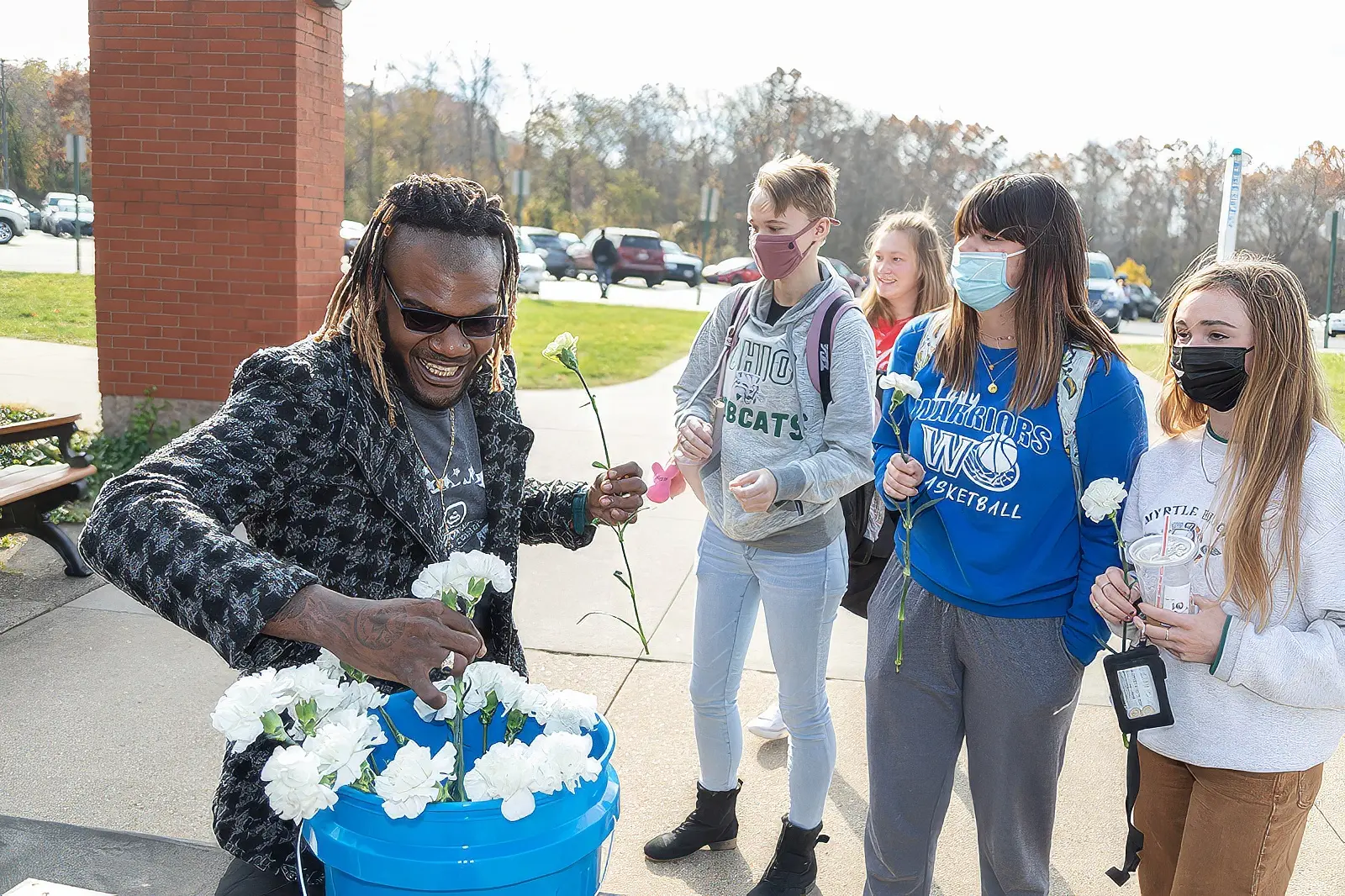
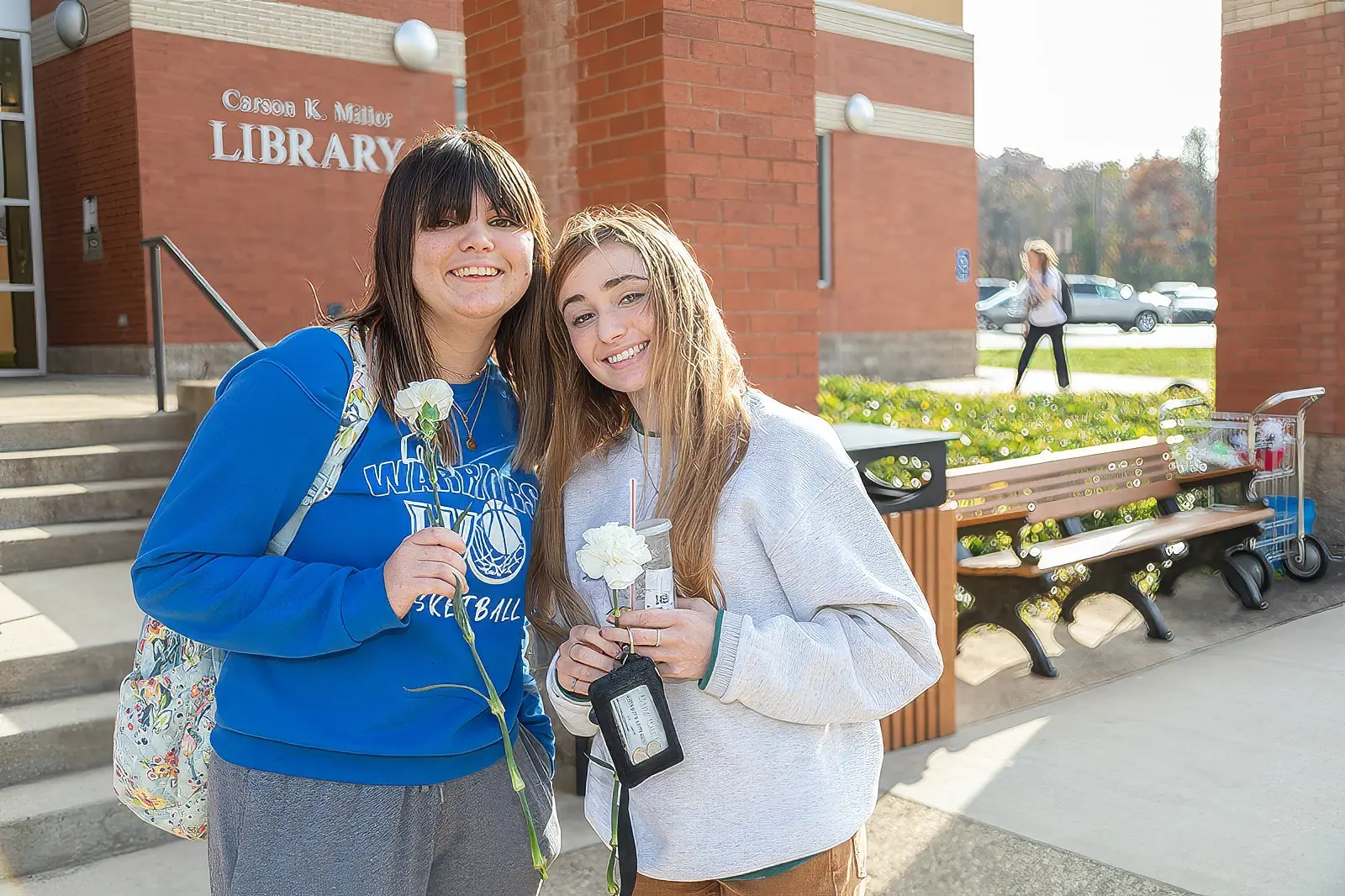
Suicide Prevention Awareness Month 2021

Veterans Crisis Line
Military personnel and veterans can dial 1-800-273-8255 and press 1 to talk to someone now.
Veterans can start a confidential online chat at
www.veteranscrisisline.net.
Veterans can also text 838255 to connect with a VA responder.
Local Mental Health Resources
In Ohio
In West Virginia
Westbrook Health Services
2121 E. 7th Street
Parkersburg, WV 26101
304.485.1721
Westbrook provides comprehensive mental health counseling as well as addiction counseling.
The Trevor Project
The Trevor Project is the leading national organization providing crisis intervention and suicide prevention services to lesbian, gay, bisexual, transgender, and questioning youth.
Trevor Lifeline: 1.866.488.7386 — free and available 24 hours a day, 7 days a week.
TrevorText: Available on Fridays (4–8 p.m. EST / 1–5 p.m. PST). Text the word “Trevor” to 1.202.304.1200. Standard text messaging rates apply.
TrevorChat — Available 7 days a week (3–9 p.m. EST / 12–6 p.m. PST).
Ditch the Label
A large majority of young people who have experienced bullying never tell anyone or report it due to fear and a lack of confidence that it will be taken seriously. It can be difficult to know what steps to take next if you or someone you know is being bullied.
If you need to talk to someone, you can chat directly at ditchthelabel.org/get-help.
Ohio Suicide Prevention Foundation (OSPF)
The Ohio Suicide Prevention Foundation (OSPF)
is a prevention, education, and resource foundation dedicated to providing suicide prevention organizations with information and resources, raising awareness, eliminating stigma, and increasing help-seeking behavior for all Ohioans.
OSPF also provides a variety of suicide prevention gatekeeper trainings, outreach programming, and suicide prevention hotline resources by county throughout the State of Ohio.
The American Foundation for Suicide Prevention (AFSP)
The American Foundation for Suicide Prevention (AFSP)
is an organization dedicated to raising awareness, funding scientific research, and providing resources and aid to those affected by suicide.
Through advocacy, research, education, and interactive screening programs, AFSP is committed to bringing hope to those affected by suicide. AFSP’s support page helps individuals find resources for themselves or someone struggling with suicidal thoughts or behaviors.
They can also be reached toll-free at 1.888.333.AFSP (2377).
Options for the Deaf and Hard of Hearing
If you are hearing impaired, there are several ways to contact the National Suicide Prevention Lifeline:
- To chat with a Lifeline counselor from 2 p.m. to 2 a.m. Monday–Friday (EST), visit www.suicidepreventionlifeline.org and click on “Get Help” and “Help for Deaf.” You may also contact the Lifeline via TTY by dialing
1.800.799.4889. - If you are hearing impaired and a veteran, service member, or someone concerned about one,
you may text the Veterans Crisis Line by sending a text message to
838255. - Contact the Lifeline via TTY by dialing 1.800.799.4889.
The Recover: Suicide Prevention
The Recover website offers help for anyone who wants a solid solution for their suicide issues. Take an easy suicidal prevention checklist self-test, learn about nutritional deficiencies that can cause depression, neurotransmitter imbalances, prescription medication, treatment, and more.